Why Sustainable Development Is the Future of Real Estate in Ottawa

Sustainable development in Ottawa used to be a footnote in a developer’s pitch deck. Now it’s in the lease decision. Renters check energy costs the way they check square footage. Institutional investors won’t touch portfolios that ignore ESG; city approvals are getting tighter… The shift has been gradual, but it’s real.
Sustainable Development and the Modern Ottawa Resident
When Ottawa renters list their priorities, they don’t usually say « sustainability. » They say affordable hydro bills, no car needed, and a park within walking distance. The language is different, but the criteria line up.
A location near an LRT stop, bus routes, and bike paths removes the need for a second car. CMHC research backs this up: green building features have moved up the list of what renters weigh when choosing where to live, especially among people entering the rental market now who grew up expecting them.
Buildings that are cheap to live in and easy to get around don’t stay empty long. That dynamic interests investors as much as it does renters. Finally, the sustainability case and the financial case have quietly converged.
How CLV Group Approaches Sustainable Development in Ottawa
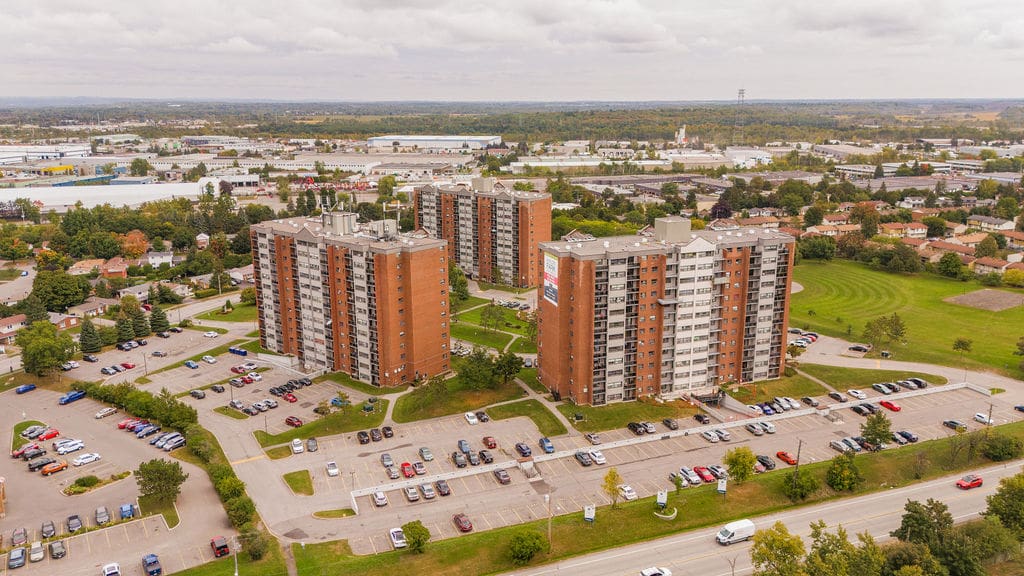
CLV Group has been in the Ottawa real estate market for over 5 decades, with EV charging, efficient appliances, and recycling programs operating across its buildings for years. Energy performance is a part of our ethos, and one we’re proud to offer our residents.
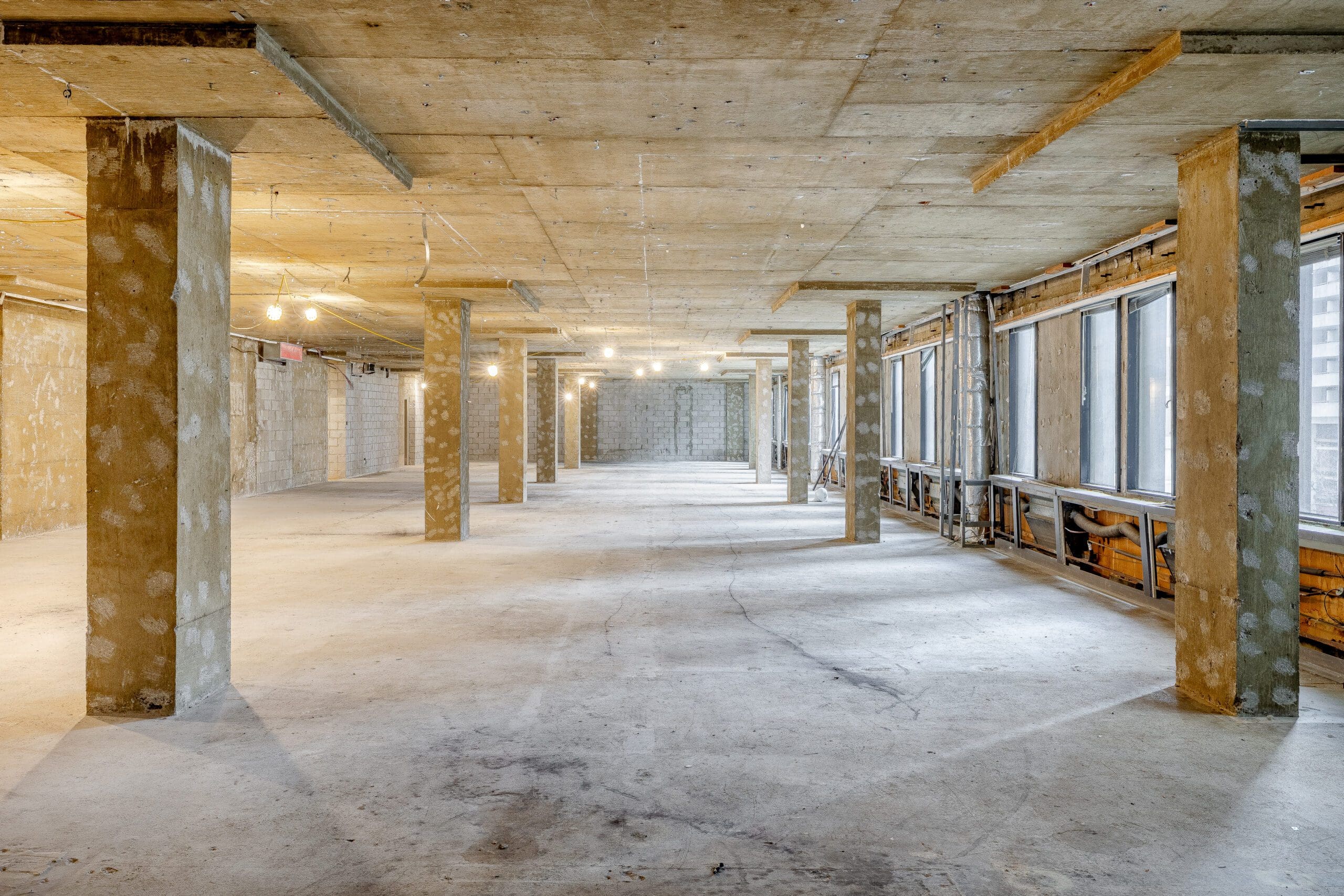
Ottawa has a surplus of underperforming office buildings and a shortage of rental housing. Instead of demolishing and starting fresh, CLV guts the existing structure and rebuilds it as residential: the foundation stays, emissions are reduced, and the neighbourhood gets new housing without the negative impacts of tearing down a building. Less waste, no greenfield development, and more housing in neighbourhoods that already have the transit and services people need. Our thinking on office-to-residential conversions lays out how this works in practice.
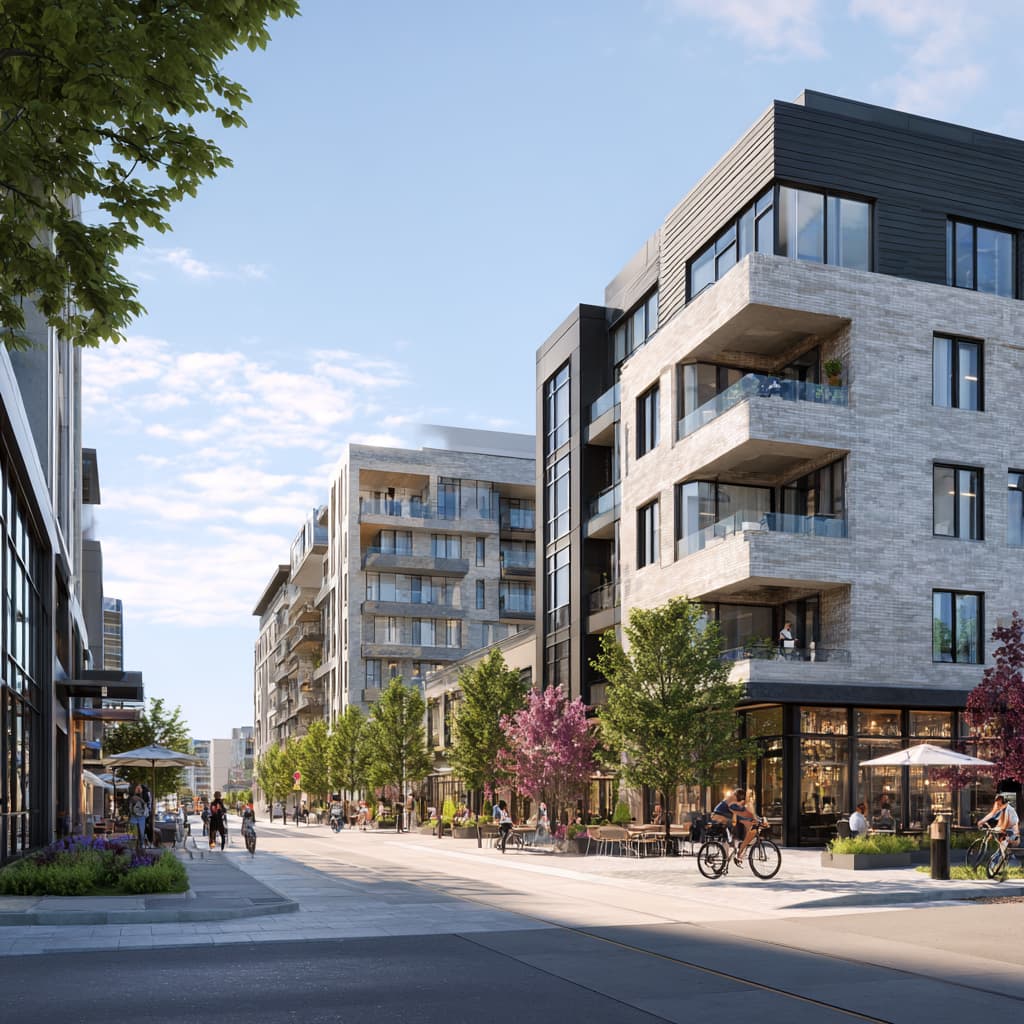
With development, CLV seeks out sites where transit, groceries, and daily errands are within walking or bus distance, so owning a car is a choice, not a requirement. Our smart land usage approach and the 360 Laurier project are good examples of what it looks like when finished.
Why Sustainable Development Ottawa Trends Matter to Investors
Ottawa’s 2050 net-zero commitment isn’t a future problem for developers. Zoning decisions, building approvals, and financing criteria are already reflecting it. Investors who continue to treat energy performance as optional will find themselves on the wrong side of that shift. Buildings that already perform well on energy and emissions pose lower retrofit risk and regulatory exposure. They also tend to run tighter on vacancy and hold tenants longer, which is where real returns actually come from over a long hold.
Building Better Communities for the Future
People don’t renew because a building has a green certification on the lobby wall. They renew because the hydro bill was within budget, the commute didn’t grind them down, and maintenance actually showed up. That’s the unglamorous version of what good sustainable development in Ottawa produces, and it’s what CLV Group has been building toward for five decades.